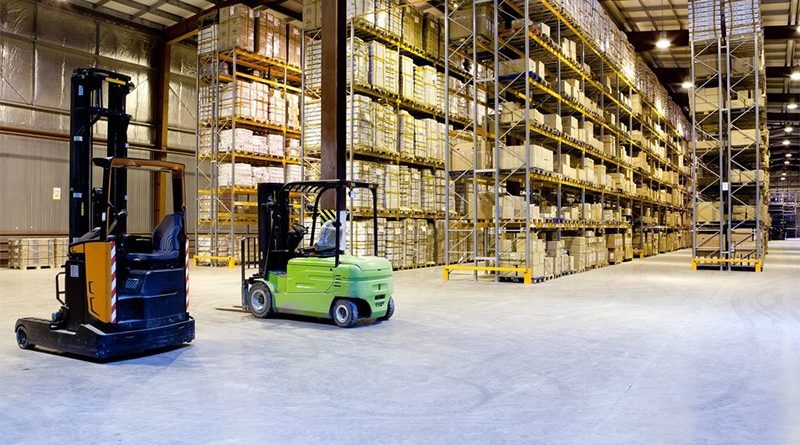
Temporary storage facilities are defined as warehouses, depots, storage areas, or hangars located where vehicles stop, dock, or unload, and designed to protect goods from all kinds of external factors and interference.
Open areas that are common areas of temporary storage facilities located in places where customs procedures are carried out, such as ports, and intended for the storage of heavy and bulky goods; customs warehouses where passenger baggage is stored, and the areas in common areas of these warehouses where privately owned land vehicles are stored, are also called temporary storage facilities..
Goods brought into the Turkish customs territory whose import procedures have not yet been completed are considered temporarily stored until they undergo any customs-approved procedure or use.

Get in touch and we'll send you the full information.
We combine innovative supply chain models with practical experience from real life. As a result, we create a dynamic and flexible supply chain that will help you, solve your business irregularities, and assist your evolving needs. We offer the logistics projects we develop at optimum cost, and by implementing them with a "JIT - Just in Time" service approach, we aim to provide our customers with time, speed, and cost advantages.
Through our processes and effective distribution channels, including new product management, returns and promotional product management, quality control, order preparation, labeling, packaging and wrapping operations, we can create projects together that will increase your efficiency while keeping you in control..
MMGUK Logistics With its accumulated experience and trained expert personnel, we serve as your strategic solution partner for all your project transportation needs. After your project requests are thoroughly examined by our expert team through necessary feasibility and technical studies, we will provide you with the most suitable transportation and other logistics service prices for your project.

Get in touch and we'll send you the full information.
The captain of a ship departing from the port must obtain departure permission after preparing the necessary documents. If the ship is heading abroad, customs procedures must also be completed. These procedures can also be handled by the agencies to which commercial vessels are affiliated.
Ship Certificate: This certificate records the information about the ship found in the ship registers. Generally, it includes information such as the ship's name, tonnage, call sign, official number, technical details, machinery, owner's name and address, and validity period. There are temporary and permanent types. A ship's right to fly the Turkish flag is proven by its ship certificate. The right to fly the Turkish flag cannot be exercised without a ship certificate. Ships smaller than eighteen gross tons can fly the Turkish flag without a ship certificate.
Seaworthiness Certificate: A vessel is considered 'seaworthy' if, in terms of its essential components such as general equipment, machinery, and boilers, it is capable of withstanding maritime hazards during its voyage (excluding entirely abnormal dangers). This certificate is issued by authorities after an inspection of the vessel and indicates that the ship is fit to sail. Merchant vessels receive this certificate after an annual inspection if they meet the necessary technical requirements. Its validity period is one year.
Certificate of Seaworthiness: A ship is considered 'seaworthy' if it meets the necessary requirements in terms of its organization, loading condition, fuel, provisions, number and qualifications of crew. This certificate is issued by the Port Authority of the port from which the ship departs and its validity period is limited to that voyage..
In addition to these basic documents, merchant ships must also possess many other documents such as measurement certificates, safety certificates, freeboard certificates, radiotelephone safety certificates, passenger count certificates, relay list certificates, inventory registers, and ship's health booklets. These must be presented during port entry and exit and during inspections..

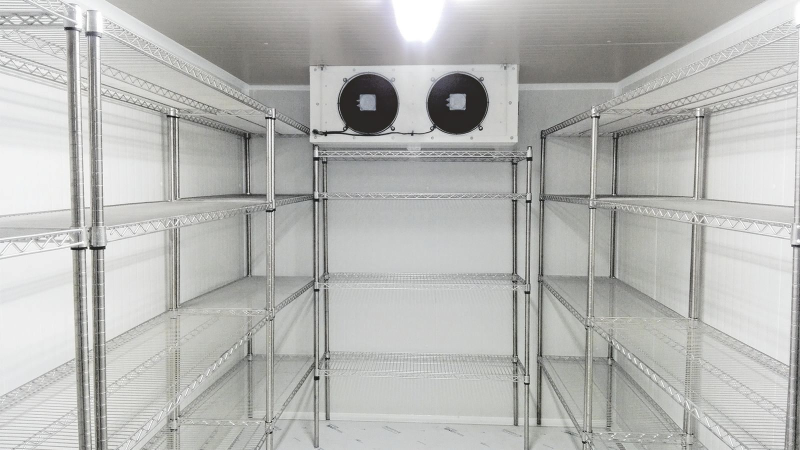
Access to strategically located cold storage facilities through our logistics network offer a wide array of solutions and services catering for temperature zones ranging from frozen goods all the way to chilled and temperature controlled atmospheres.
Cold storage is an essential part of modern logistics, ensuring that temperature-sensitive products such as food, pharmaceuticals, and chemicals are stored and transported under the right conditions. MMG UK provides reliable and efficient cold storage solutions tailored to meet the diverse needs of our clients.
Our cold storage facilities are equipped with the latest technology to maintain precise temperature control, ensuring the integrity and quality of your goods at all times.
Get in touch and we'll send you the full information.
The refrigerated transport service is a special logistics solution that enables the transport of products with specific temperature requirements. This service is often used for the transport of food products, medicines, cosmetics and other sensitive materials.
Refrigerated transport is carried out using vehicles or containers equipped with special refrigeration or freezing systems in which certain temperature ranges are constantly maintained to preserve the freshness and quality of the products.
At MMG UK Logistics Consultancy, we provide end-to-end refrigerated transport solutions tailored to meet the diverse needs of our clients. Our trusted transport network and logistics partners ensure that your temperature-sensitive cargo reaches its destination safely and on time.

Get in touch and we'll send you the full information.
We support our customers in all supply chain processes, from product procurement to the delivery of products to the end user. We share our know-how from product selection to transportation road maps, from customs regulations to packaging solutions and constantly strive to produce innovative and effective solutions.
At MMG UK Logistics Consultancy Ltd, our experienced team acts as your strategic partner at every stage of the supply chain. Whether you are entering a new market, optimising existing operations, or navigating complex customs environments, we provide the clarity and expertise you need to move forward with confidence.
By combining industry know-how with a hands-on approach, we help our clients reduce costs, improve delivery times, and build resilient, flexible supply chains that adapt to the demands of global trade.

Get in touch and we'll send you the full information.
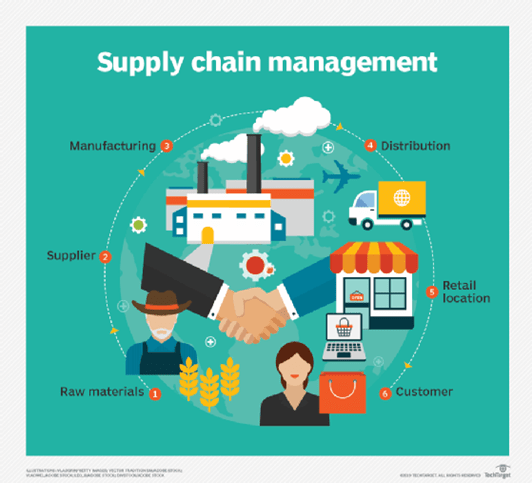
At its most basic level, supply chain management (SCM) is the management of the flow of goods, data, and finances related to a product or service, from raw material procurement to delivery of the product to its final destination.
While many people equate supply chain with logistics, logistics is actually only one component of the supply chain. Today's digital-based SCM systems include material handling and software capabilities for all parties involved in product or service creation, order fulfillment, and information tracking — such as suppliers, manufacturers, wholesalers, transportation and logistics providers, and retailers.
Supply chain activities encompass procurement, product lifecycle management, supply chain planning (including inventory planning and maintenance of enterprise assets and production lines), logistics (including transportation and fleet management), and order management. SCM can also be used in global trade activities, such as managing global suppliers and multinational manufacturing processes.
Get in touch and we'll send you the full information.
Warehouse operations are the backbone of any logistics and supply chain management system. They encompass a range of activities designed to manage the movement and storage of goods efficiently. Understanding these operations is crucial for any business aiming to improve productivity and reduce costs.
Warehouse operations encompass the daily processes involved in the movement, storage, and handling of goods within a facility. The core functions include receiving, putaway, inventory management, picking, packing, and shipping. Maximizing efficiency and minimizing costs rely heavily on optimizing space, equipment, and labor, often coordinated via a Warehouse Management System (WMS).
At MMG UK Logistics Consultancy Ltd, we deliver end-to-end warehouse operation solutions tailored to your business needs — ensuring your goods are handled accurately, stored safely, and dispatched on time, every time.

Get in touch and we'll send you the full information.


 Address Information:
 Contact Information: